BCPST, the biology, chemistry, physics and earth sciences prépa (prépas being the two-year preparatory classes for the grandes écoles), leads to the agronomy schools, the veterinary schools, some engineering schools and the ENS. It draws students who care as much about living things as about the exact sciences, and it has a reputation as a "more accessible" prépa. The figures from Parcoursup, the national online admissions platform, for the 2025 round bear that reputation out, with one nuance families would do well to know.
What the figures say
Across the 54 BCPST classes that admitted at least ten students, 39% of those admitted had a mention très bien (the top honours band at the bac, 16/20 and above), compared with 59% in MPSI and 49% in PCSI, the maths-physics and physics-chemistry prépas. Mentions bien (14 to 16) are as common as très bien, at 39% of admitted students, and mentions assez bien (12 to 14) or no honours account for 22%.
The nuance: the top is as closed as anywhere else
BCPST has only two classes at the top, against eighteen in MPSI. But those two recruit exactly like the leading MPSI classes. At Henri-IV, 96% of admitted students had a mention très bien, 38% of them with the félicitations du jury (18/20 and above), for an offer rate (taux d'accès, the share of applicants who received an offer) of 15%. At Sainte-Geneviève the figures are 95%, with 45% félicitations, and 13%. The track is open. Its top classes are not.
Below them, the gap widens quickly. From the second tier, mentions bien account for nearly one admitted student in five, and in the third tier, four in ten. For a student averaging around 15 who loves biology, BCPST therefore offers a much wider choice of classes than MPSI.
The large classes reach far down their lists
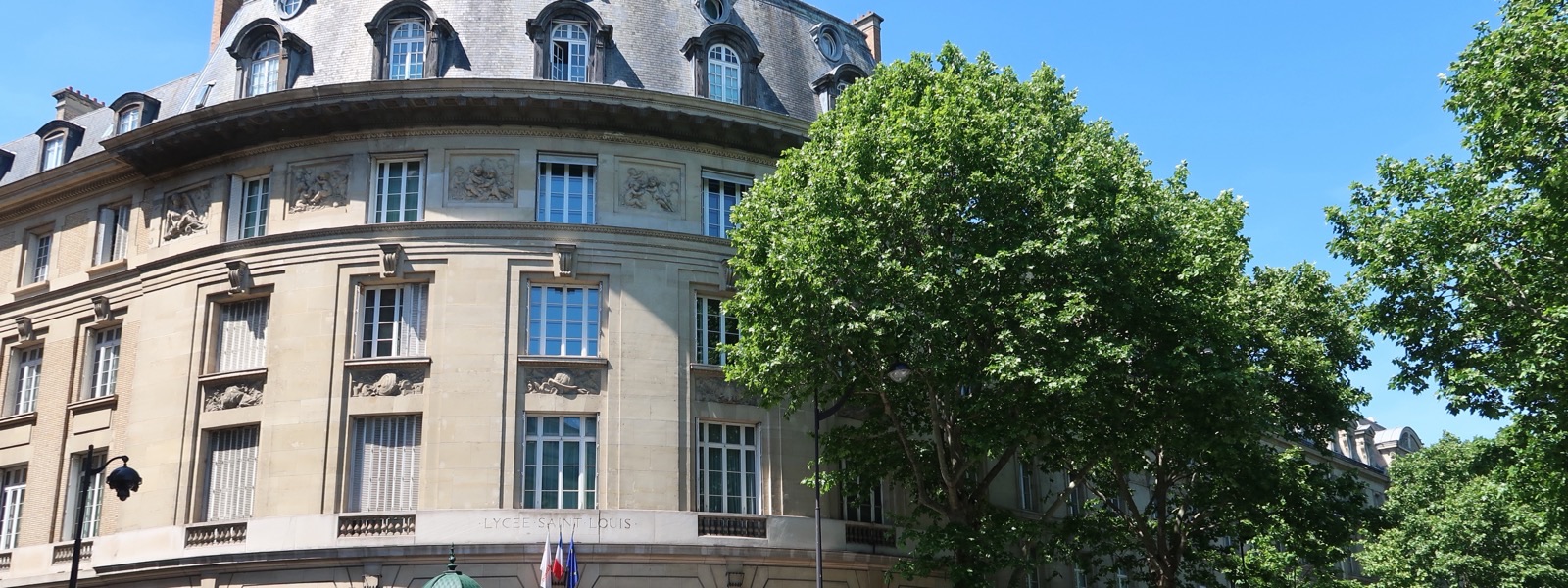
Two classes show clearly what the offer rate leaves out. Le Parc in Lyon and Saint-Louis in Paris each have around 140 places. To fill them, according to Parcoursup, le Parc called applicants down to number 1,184 on its list, and Saint-Louis down to number 1,020. Some of the students called go elsewhere, so these classes work a long way down their rankings. An application that is not in the first ranks is not a lost cause.
Agricultural lycées, a feature of this track
BCPST is the only major track where agricultural lycées appear among the sought-after classes. The agricultural lycée of Toulouse-Auzeville recruits at 85% mentions très bien, with an offer rate of 14%, on a par with le Parc or Saint-Louis. The one at Lempdes, near Clermont-Ferrand, sits in the third tier, while those at Angers and Le Chesnoy, near Montargis, recruit more broadly. These are small classes of thirty or forty places that Parisian families often leave off their list of choices, even though they prepare for the same competitive exams.
What really counts in the application
BCPST demands more mathematics than people tend to think. Students who dropped the maths spécialité (spécialités are the subjects chosen for the last two years of lycée) at the end of première, the penultimate year at 16 to 17, to keep biology and earth sciences (SVT) and physics-chemistry often find this out as early as September. If your child is aiming for BCPST, I would look first at their maths and physics-chemistry grades, before SVT. Those are the subjects that will make the difference over the two years of prépa, and often already in the application.
For a comparison with the other tracks, see Which prépa with which grades.