Families moving to Paris, or coming back after a posting abroad, almost always start with the same list: the American School, the International School, the British School, Jeannine Manuel, Saint-Germain-en-Laye. They compare campuses, reviews and fees. That is taking the problem from the wrong end.
An international school commits you first to a diploma: the International Baccalaureate (IB), British A levels, the American high school diploma, or the French baccalauréat in its international version. Years later, that diploma decides which universities will come naturally to your child and which will become complicated. So my advice is to choose the diploma according to the likely next step, then the school among those that lead to it.
International schools in Paris: three families
| Family | Examples | Diploma at the end | Status |
|---|---|---|---|
| Private English-language schools | American School of Paris (Saint-Cloud), International School of Paris (16th), British School of Paris (Croissy-sur-Seine) | IB, US diploma with AP, or A levels depending on the school | Private, independent of the French state system, taught in English |
| Private bilingual schools | École Jeannine Manuel (15th) and other Paris bilingual schools | French baccalauréat, often with the BFI; an IB track alongside at Jeannine Manuel | Private (state-contracted, sous contrat, in Jeannine Manuel's case), French curriculum |
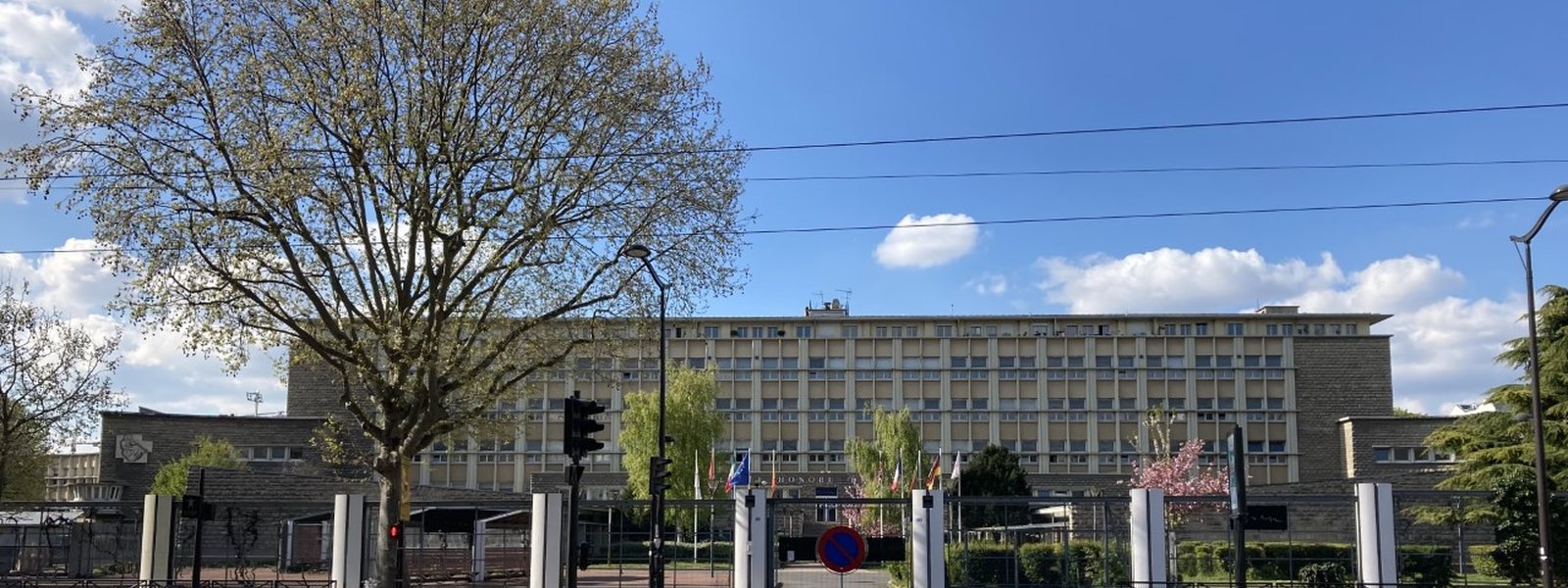
| State international sections | Lycée international de Saint-Germain-en-Laye, Lycée Honoré-de-Balzac (17th) | French international baccalauréat (BFI) | State schools, with a contribution to the section associations |
The BFI, the baccalauréat français international, replaced the former international option of the baccalauréat (OIB). It is a full French baccalauréat with additional language and literature teaching and part of history and geography taught in the section's language. Students obtain the same diploma as their classmates, with a level of language that foreign universities recognise.
British or American school in Paris
Among the English-language schools, the diploma differs from one to the next, and that is what should guide you. The American School of Paris offers the US high school diploma, AP courses, the IB Diploma, or a combination. The International School of Paris follows the IB programmes. The British School of Paris prepares students for GCSEs and then A levels.
These schools suit families whose child will study in English afterwards, in the UK, the US or elsewhere, or who may move again within two or three years. The IB travels everywhere; A levels are the native language of British universities; a US diploma with APs is read effortlessly by American universities.
The price to pay, beyond the fees, is distance from the French system. An IB student can enter a French prépa (the two-year intensive programmes leading to the top engineering and business schools) or a French university, but by a less natural route, and they will have learnt maths in a different spirit. I describe these doors, the ones that open and the ones that close, in IB or French baccalaureate.
Bilingual schools in Paris: the French baccalauréat in two languages
Bilingual schools follow the French national curriculum with reinforced teaching in English. They cost far less than the English-language schools, and their students sit the French baccalauréat, often with the BFI. It is the route that keeps the most doors open: Parcoursup (France's national higher-education application platform) and the prépas, but also British, American or Swiss universities, which know the baccalauréat well.
Jeannine Manuel has a particular feature: alongside the French lycée, the school offers an IB track preceded by a preparatory year, designed for students coming from foreign systems. It is also one of the most selective schools in Paris at entry, with an admissions test I describe in Jeannine Manuel entry test.
State international schools in Paris: the international sections
International sections are the option newly arrived families know least. They are classes within state schools where students follow the French curriculum plus several hours a week in the language of their section. The Lycée international de Saint-Germain-en-Laye has more than ten of them, from American to Japanese; the Lycée Honoré-de-Balzac in the 17th has several, including an English-language section.
Tuition is free, but each section is run by an association that asks for an annual contribution, which varies with the section, the level and whether an employer pays. Entry is selective: students are assessed in the section's language, and places are scarce once the school years are under way.
International schools in Paris: the fees
Example: 2026-2027 fees in the last years of secondary school.
- American School of Paris: €41,400 a year from Grade 9 to Grade 12, plus a €12,200 capital assessment in the first year and a €1,450 application fee.
- International School of Paris: €39,000 a year for the last three grades, plus a €10,000 entry fee for a new student.
- École Jeannine Manuel: €10,275 a year in the French lycée (BFI), €32,560 a year for the two IB Diploma years, plus a €1,650 first-registration fee.
- British section of the Lycée international de Saint-Germain-en-Laye: €5,746 a year in lycée when the family pays (€9,272 when an employer pays), according to the schedule shown at the start of the 2026 school year, plus a €1,750 registration fee.
The British School of Paris publishes its own fee schedule on its website. These amounts change every year: check them with each school.
The gap is therefore one to seven between a state section and an English-language school, for students who sometimes end up at the same universities. The price says nothing about quality; mostly, it tells you which system you are buying.
How to choose: start from where your child will go after school
Three questions settle most cases. How long will you stay in France? If another move is likely before the end of secondary school, an IB track avoids starting over with each relocation. Where is your child likely to study? A French prépa or grande école points to the baccalauréat and the BFI, the UK to A levels or the IB, the US to any of the three, provided the application is built properly. And what is their real level of written French? A child schooled entirely in English can join a French track, but it has to be prepared, especially in maths and in written work.
That is the work I do with families as they arrive in Paris: start from the plan, choose two or three realistic schools, prepare the entrance tests and the file. Carmine supports these decisions, and our page School admissions explains how we prepare students for Paris schools' entry procedures.